
Post Fracture Management
Post fracture management refers to the comprehensive care and rehabilitation process that begins after a bone fracture has been treated and stabilized. The primary goal of this phase is to ensure proper bone healing, restore normal function, prevent complications, and help the patient return to their daily activities as safely and quickly as possible. It is a critical part of orthopedic care, as improper management after a fracture can lead to long-term issues such as stiffness, chronic pain, deformity, or reduced mobility.
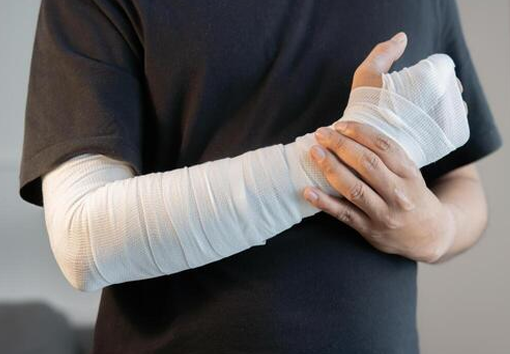
The process of post fracture management usually starts immediately after the bone has been set using a cast, splint, traction, or surgical fixation such as plates, screws, or rods. One of the most important aspects during this stage is immobilization. The affected area must be kept stable to allow the bone to heal in the correct alignment. Patients are often advised to avoid putting stress or weight on the injured limb until the doctor confirms adequate healing.
Pain management is another key component. Doctors may prescribe pain relievers and anti-inflammatory medications to reduce discomfort and swelling. In the initial days, elevation of the injured limb and the use of ice packs can also help control swelling and improve comfort.
As healing progresses, physiotherapy plays a vital role in post fracture management. Once the doctor allows movement, gentle exercises are introduced to restore flexibility, strength, and range of motion. Physiotherapy helps prevent muscle weakness and joint stiffness, which are common after prolonged immobilization. A trained physiotherapist guides the patient through tailored exercises depending on the location and severity of the fracture.
Nutrition also significantly impacts recovery. A balanced diet rich in calcium, vitamin D, protein, and other essential nutrients supports faster bone healing. Patients are often advised to consume dairy products, leafy greens, nuts, seeds, and adequate hydration to promote overall recovery.
Regular follow-up visits with the orthopedic specialist are essential. X-rays or other imaging tests may be performed to monitor bone healing and ensure proper alignment. Any complications, such as delayed healing or infection (in surgical cases), can be detected and treated early through these check-ups.
In conclusion, post fracture management is a structured and multi-step process involving immobilization, pain control, physiotherapy, nutrition, and regular medical monitoring. Proper care during this phase is crucial for complete recovery and for restoring the patient’s normal physical function without long-term complications.