
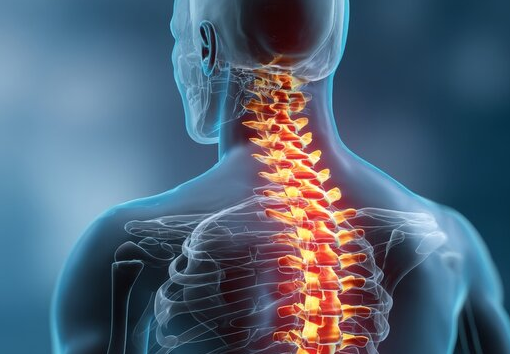
Cervical Spondylosis
Cervical spondylosis is a common age-related condition that affects the bones, discs, and joints of the neck, also known as the cervical spine. Over time, the natural wear and tear of the spinal discs and cartilage can lead to degeneration, causing pain, stiffness, and reduced flexibility. Although cervical spondylosis is most commonly seen in people over the age of 50, younger individuals may also develop the condition due to poor posture, prolonged computer use, repetitive neck movements, injuries, or a sedentary lifestyle.
The symptoms of cervical spondylosis can vary from mild discomfort to severe pain. Common signs include persistent neck pain, stiffness, headaches that often begin at the back of the head, shoulder pain, muscle weakness, and difficulty moving the neck. In some cases, the condition may compress nearby nerves or the spinal cord, leading to numbness, tingling sensations, weakness in the arms or hands, balance problems, and difficulty walking. These symptoms should not be ignored, as early diagnosis and treatment can help prevent complications.
Diagnosis typically involves a physical examination, a review of the patient's medical history, and imaging tests such as X-rays, MRI scans, or CT scans. These tests help identify changes in the cervical spine and determine the severity of the condition. Depending on the diagnosis, healthcare providers may recommend a combination of treatments to relieve symptoms and improve mobility.
Most cases of cervical spondylosis can be managed with non-surgical treatments. These include pain-relieving medications, anti-inflammatory drugs, muscle relaxants, physical therapy, posture correction, neck-strengthening exercises, and lifestyle modifications. Applying hot or cold packs and maintaining proper ergonomics while working can also help reduce discomfort. Patients are encouraged to stay physically active while avoiding activities that place excessive strain on the neck.
Surgery is generally considered only when conservative treatments fail to provide relief or when there is significant nerve or spinal cord compression. Surgical procedures aim to remove pressure from the affected nerves and stabilize the cervical spine, allowing patients to regain function and reduce pain.
Preventing cervical spondylosis involves maintaining good posture, exercising regularly, strengthening the neck and shoulder muscles, taking breaks during long hours of sitting, and using ergonomic furniture. While the condition cannot always be prevented due to natural aging, healthy lifestyle habits can significantly reduce the risk of developing severe symptoms. With timely medical care, appropriate treatment, and consistent self-care, most individuals with cervical spondylosis can manage their symptoms effectively and continue to enjoy an active, healthy, and comfortable life.