
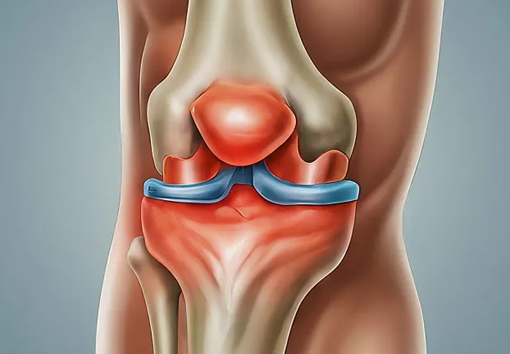
Meniscus Injury
A Meniscus Injury is a common knee condition that affects the cartilage in the joint, often seen in athletes, active individuals, and even older adults due to natural wear and tear. The meniscus is a C-shaped piece of tough, rubbery cartilage located in the knee, acting as a cushion between the thigh bone (femur) and the shin bone (tibia). Each knee has two menisci—medial (inner) and lateral (outer)—that help stabilize the joint and absorb shock during movement.
A meniscus injury typically occurs when the knee is suddenly twisted while bearing weight, such as during sports activities like football, basketball, or cricket. It can also happen from squatting deeply, lifting heavy objects incorrectly, or gradual degeneration over time, especially in older adults. When the meniscus tears, it can cause pain, swelling, stiffness, and difficulty in fully straightening or bending the knee. Some people may also experience a locking sensation, where the knee gets stuck during movement.
The severity of a meniscus injury can vary. Minor tears may heal with rest and physiotherapy, while more severe tears might require medical intervention, including arthroscopic surgery. Diagnosis is usually done through physical examination, patient history, and imaging tests like MRI scans, which provide a detailed view of soft tissues inside the knee.
Treatment depends on the type and extent of the tear. Non-surgical treatments include rest, ice application, compression, elevation (RICE method), anti-inflammatory medications, and physiotherapy exercises to strengthen the surrounding muscles. These approaches help reduce pain and improve mobility. In cases where the tear is large or the knee remains unstable, surgical options such as meniscus repair or partial meniscectomy may be recommended.
Recovery time varies depending on the treatment method and severity of the injury. While minor injuries may heal within a few weeks, surgical recovery can take several months with proper rehabilitation.
A Meniscus injury should not be ignored, as untreated cases may lead to long-term complications like knee instability or early osteoarthritis. Early diagnosis and proper care play a crucial role in restoring full knee function and preventing future damage. Maintaining strong leg muscles, using correct techniques during physical activities, and avoiding sudden stress on the knee can significantly reduce the risk of meniscus injuries.