
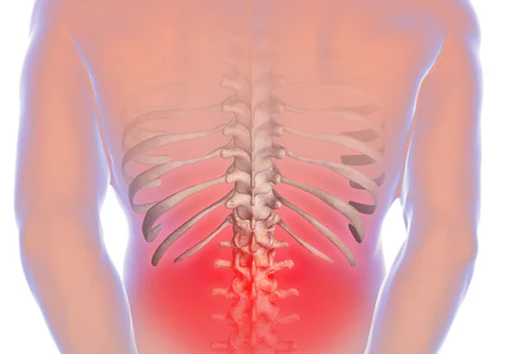
Muscle Spasm
A muscle spasm is a sudden, involuntary contraction of one or more muscles that can cause pain, stiffness, and temporary difficulty in movement. Muscle spasms can occur in any part of the body, but they are most commonly experienced in the legs, back, neck, shoulders, and feet. While many muscle spasms are harmless and last only a few seconds or minutes, recurring or severe spasms may indicate an underlying health condition that requires medical attention.
There are several factors that can contribute to muscle spasms. Dehydration, overuse of muscles, prolonged physical activity, poor blood circulation, nerve compression, and electrolyte imbalances are among the most common causes. In some cases, muscle spasms may also result from stress, poor posture, inadequate stretching before exercise, or certain medical conditions such as diabetes, kidney disorders, or neurological diseases.
The symptoms of a muscle spasm can vary depending on its severity and location. Most people experience a sudden tightening or hardening of the affected muscle, accompanied by sharp pain or discomfort. The muscle may feel firm to the touch, and movement can become difficult until the spasm relaxes. Some individuals may continue to experience soreness or tenderness even after the spasm has subsided.
Treatment for muscle spasms depends on the underlying cause and the intensity of the symptoms. Mild muscle spasms often improve with rest, gentle stretching, massage, adequate hydration, and the application of heat or cold packs. Maintaining proper nutrition and ensuring sufficient intake of minerals such as potassium, calcium, and magnesium can also help reduce the likelihood of muscle cramps and spasms. For persistent or severe cases, healthcare professionals may recommend physical therapy, prescription medications, or further diagnostic evaluations to identify any underlying medical issues.
Preventing muscle spasms involves adopting healthy lifestyle habits. Regular stretching exercises, proper warm-up and cool-down routines before and after physical activity, staying hydrated, maintaining good posture, and avoiding excessive muscle strain can significantly lower the risk of developing muscle spasms. Individuals who spend long hours sitting or standing should also take regular breaks to move and stretch their muscles.
Although muscle spasms are usually temporary and not considered dangerous, frequent episodes or spasms accompanied by severe pain, swelling, weakness, numbness, or loss of muscle function should be evaluated by a qualified healthcare provider. Early diagnosis and appropriate treatment can help prevent complications and improve overall muscle health, allowing individuals to maintain an active and comfortable lifestyle.