
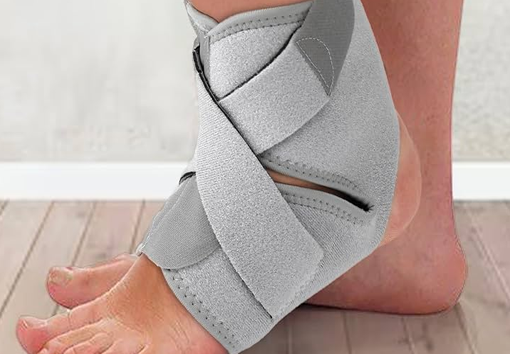
Feet Injury
A feet injury refers to any damage affecting the bones, muscles, ligaments, tendons, joints, or soft tissues of the foot. Since the human foot contains 26 bones, numerous joints, and a complex network of muscles and ligaments, even a minor injury can cause significant pain and interfere with daily activities such as walking, running, standing, or exercising. Feet injuries are common among people of all ages and may result from accidents, sports activities, overuse, improper footwear, or underlying medical conditions.
The symptoms of a feet injury vary depending on the type and severity of the damage. Common signs include pain, swelling, bruising, stiffness, tenderness, difficulty bearing weight, reduced range of motion, and instability while walking. In severe cases, there may be visible deformity, numbness, or an inability to move the foot properly. Ignoring these symptoms can lead to long-term complications, making early diagnosis and treatment essential.
There are several types of feet injuries, including sprains, strains, fractures, tendon injuries, plantar fasciitis, stress fractures, and ligament tears. Athletes and individuals with physically demanding jobs are particularly susceptible to these conditions due to repetitive stress on the feet. Wearing shoes that lack proper support or participating in high-impact activities without adequate preparation can also increase the risk of injury.
Diagnosis typically involves a physical examination along with imaging tests such as X-rays, ultrasound, CT scans, or MRI scans to determine the exact cause and extent of the injury. Treatment depends on the severity of the condition. Mild injuries often respond well to rest, ice application, compression, elevation (RICE), pain-relieving medications, and physical therapy. More serious injuries, such as complex fractures or torn tendons, may require immobilization with a cast or boot, or even surgical intervention followed by rehabilitation.
Preventing feet injuries involves maintaining good foot health and taking appropriate precautions. Wearing comfortable, well-fitted footwear, warming up before physical activity, strengthening foot and ankle muscles, maintaining a healthy body weight, and avoiding excessive strain can significantly reduce the risk of injury. Individuals should also replace worn-out shoes regularly and seek medical attention if foot pain persists for more than a few days.
With timely treatment and proper rehabilitation, most feet injuries heal successfully, allowing individuals to regain strength, mobility, and confidence. Early medical evaluation not only speeds recovery but also helps prevent chronic pain, recurring injuries, and permanent damage, ensuring that the feet remain healthy and capable of supporting everyday movement.