
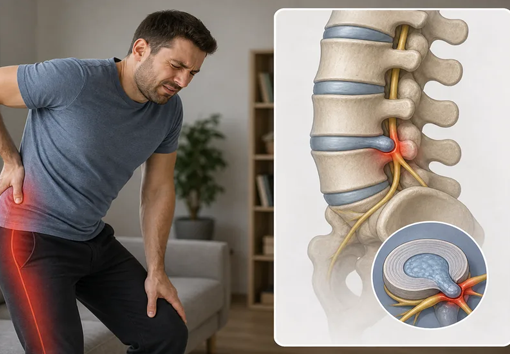
Lumbago
Lumbago is a common term used to describe pain or discomfort in the lower back. Although it is not a specific medical diagnosis, it refers to a wide range of conditions that affect the muscles, ligaments, nerves, or bones in the lumbar region of the spine. Lumbago can develop suddenly due to an injury or gradually over time because of poor posture, repetitive movements, aging, or underlying medical conditions. It affects people of all ages, but it is more common among adults, especially those with physically demanding jobs or sedentary lifestyles.
The symptoms of lumbago vary depending on the underlying cause and severity of the condition. Most individuals experience a dull, aching pain in the lower back, while others may feel sharp or stabbing pain that worsens with movement. Stiffness, muscle spasms, reduced flexibility, and difficulty standing or walking are also common symptoms. In some cases, the pain may radiate into the hips, buttocks, or legs, indicating nerve involvement. The discomfort may become more noticeable after lifting heavy objects, sitting for prolonged periods, or performing strenuous physical activities.
Several factors can contribute to the development of lumbago. Muscle strain caused by improper lifting techniques, sudden twisting movements, or overexertion is one of the most frequent causes. Degenerative conditions such as arthritis, herniated discs, spinal stenosis, or osteoporosis can also lead to persistent lower back pain. Poor posture, obesity, lack of regular exercise, stress, and weak core muscles further increase the risk of developing this condition.
Diagnosis of lumbago usually involves a detailed medical history, physical examination, and evaluation of the patient's symptoms. If the pain is severe, persistent, or associated with numbness or weakness, healthcare providers may recommend imaging tests such as X-rays, MRI scans, or CT scans to identify the underlying cause.
Treatment depends on the severity and origin of the pain. Mild cases often improve with rest, gentle stretching, physical therapy, pain-relieving medications, and lifestyle modifications. Applying heat or cold packs, maintaining good posture, and performing strengthening exercises can also promote recovery. In more serious cases, advanced treatments such as injections or surgery may be considered.
Preventing lumbago involves maintaining a healthy weight, exercising regularly, strengthening the back and abdominal muscles, using proper lifting techniques, and avoiding prolonged sitting. Early diagnosis and appropriate treatment can significantly reduce discomfort, improve mobility, and help individuals return to their normal daily activities while preventing future episodes of lower back pain.