
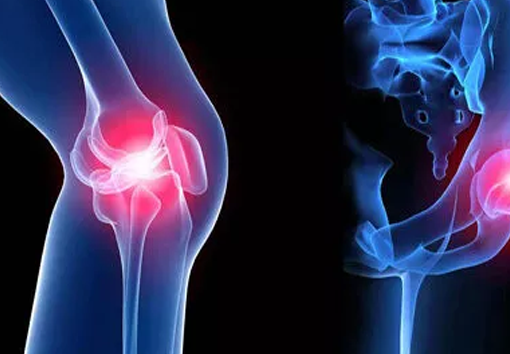
Bone & Joint Conditions
Bone and joint conditions are among the most common health problems affecting people of all ages. These conditions can develop due to aging, injuries, infections, genetic factors, lifestyle habits, or underlying medical disorders. Healthy bones and joints are essential for movement, balance, and maintaining an active lifestyle. When they become damaged or weakened, even simple daily activities such as walking, climbing stairs, or lifting objects can become painful and difficult.
There are many different types of bone and joint conditions, each with its own symptoms and causes. Common conditions include arthritis, osteoporosis, fractures, joint inflammation, tendon injuries, ligament tears, bursitis, and degenerative joint diseases. Arthritis is one of the leading causes of joint pain and stiffness, while osteoporosis weakens bones, making them more prone to fractures. Sports injuries, repetitive movements, and accidents can also result in bone and joint damage that requires proper diagnosis and treatment.
The symptoms of bone and joint conditions vary depending on the severity and type of disorder. Individuals may experience persistent pain, swelling, stiffness, redness, reduced flexibility, muscle weakness, tenderness, or difficulty moving the affected joint. Some conditions develop gradually over time, while others appear suddenly after an injury. Ignoring these symptoms may lead to worsening pain, permanent joint damage, and reduced quality of life.
Early diagnosis plays a crucial role in managing bone and joint disorders effectively. Healthcare professionals use physical examinations, medical history, X-rays, MRI scans, CT scans, bone density tests, and laboratory investigations to identify the underlying cause. Once diagnosed, treatment plans are tailored to the patient's condition, age, and overall health.
Treatment options may include medications to reduce pain and inflammation, physical therapy, exercise programs, lifestyle modifications, nutritional support, and in severe cases, surgical procedures such as joint replacement or fracture repair. Maintaining a healthy body weight, following a balanced diet rich in calcium and vitamin D, engaging in regular low-impact exercise, and avoiding smoking or excessive alcohol consumption can significantly improve bone strength and joint health.
Preventive care is equally important in reducing the risk of bone and joint problems. Regular physical activity helps strengthen muscles that support the joints, while good posture and proper lifting techniques minimize unnecessary strain. Routine health check-ups and early medical attention for persistent pain can prevent complications and improve long-term outcomes.
With timely diagnosis, appropriate treatment, and healthy lifestyle choices, many bone and joint conditions can be successfully managed. Individuals can regain mobility, reduce discomfort, and continue enjoying an active, independent, and fulfilling life. Prioritizing bone and joint health is an essential step toward maintaining overall physical well-being and enhancing quality of life for years to come.