
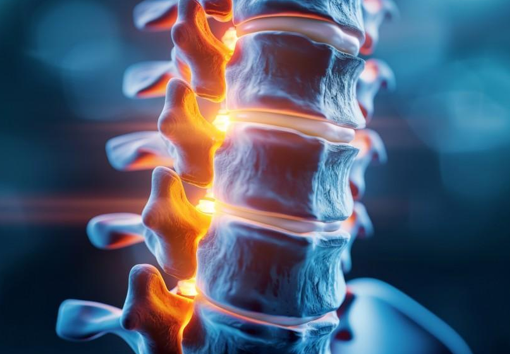
Lumbar Spondylosis
Lumbar spondylosis is a common age-related condition that affects the lower part of the spine, also known as the lumbar spine. It develops as the bones, intervertebral discs, joints, and ligaments gradually wear down over time. This natural degeneration can lead to stiffness, pain, reduced flexibility, and discomfort in the lower back. Although lumbar spondylosis is most commonly seen in older adults, younger individuals may also develop the condition due to poor posture, repetitive strain, obesity, previous spinal injuries, or prolonged sitting.
The symptoms of lumbar spondylosis vary from person to person. Some individuals may experience mild lower back pain that comes and goes, while others may suffer from chronic pain that affects their daily activities. Common symptoms include stiffness in the lower back, pain that worsens with prolonged standing or sitting, muscle spasms, and difficulty bending or twisting. In more severe cases, the degeneration may compress nearby nerves, leading to numbness, tingling sensations, weakness in the legs, or pain that radiates down the buttocks and legs, a condition commonly known as sciatica.
Several factors contribute to the development of lumbar spondylosis. Aging is the primary cause, as the spinal discs gradually lose their flexibility and cushioning ability over time. Other risk factors include excessive body weight, lack of physical activity, occupations involving heavy lifting, poor ergonomic practices, smoking, and genetic predisposition. Maintaining a healthy lifestyle can significantly reduce the risk of developing severe spinal degeneration.
Diagnosis of lumbar spondylosis typically begins with a thorough medical history and physical examination. Healthcare providers may recommend imaging tests such as X-rays, MRI scans, or CT scans to evaluate the extent of spinal degeneration and identify any nerve compression or structural abnormalities. Early diagnosis helps in creating an effective treatment plan and preventing further complications.
Treatment for lumbar spondylosis is usually focused on relieving pain, improving mobility, and maintaining spinal function. Conservative treatment options include physical therapy, stretching exercises, posture correction, weight management, anti-inflammatory medications, and muscle relaxants. Applying heat or cold therapy may also help reduce pain and inflammation. In cases where conservative treatments are ineffective, corticosteroid injections or surgical intervention may be considered, particularly if significant nerve compression or spinal instability is present.
Preventing lumbar spondylosis involves adopting healthy daily habits. Regular exercise, strengthening the core muscles, maintaining proper posture, using ergonomic furniture, avoiding prolonged sitting, and lifting heavy objects correctly can help protect the lower spine. Staying physically active and maintaining a healthy weight are essential for preserving spinal health and reducing stress on the lumbar region.
Although lumbar spondylosis is a chronic condition, many individuals successfully manage their symptoms through lifestyle modifications, appropriate medical care, and consistent exercise. Early intervention, proper diagnosis, and a comprehensive treatment approach can significantly improve quality of life, reduce pain, and help individuals remain active and independent for many years.