
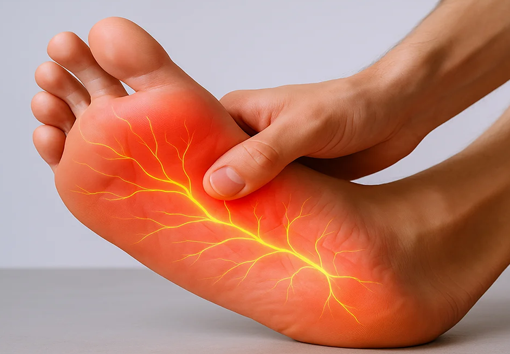
Calcaneal Spur
A calcaneal spur, commonly known as a heel spur, is a bony growth that develops on the underside or back of the heel bone (calcaneus). It is often associated with long-term stress, inflammation, and repeated strain on the ligaments and muscles of the foot. Although many people with calcaneal spurs experience no symptoms, others may suffer from persistent heel pain, especially during the first steps in the morning or after long periods of standing or walking. Heel spurs are frequently linked with plantar fasciitis, a condition that causes inflammation of the thick band of tissue connecting the heel bone to the toes.
Several factors contribute to the development of calcaneal spurs. Repetitive pressure on the heel due to excessive walking, running, or standing for extended periods can gradually lead to calcium deposits that form a bony projection. Obesity, improper footwear, flat feet, high arches, aging, and certain inflammatory conditions such as arthritis can also increase the risk of developing heel spurs. Athletes and individuals whose occupations require prolonged standing are particularly susceptible to this condition.
The most common symptom of a calcaneal spur is sharp or stabbing pain in the heel, especially when taking the first few steps after waking up. As the foot warms up, the pain may lessen but can return after prolonged activity. Some individuals may also experience tenderness, inflammation, swelling, or difficulty walking comfortably. However, the severity of symptoms does not always correspond to the size of the heel spur, as even small spurs can cause significant discomfort if they irritate surrounding soft tissues.
Diagnosis typically involves a detailed physical examination and a review of the patient's medical history. Imaging studies such as X-rays help confirm the presence of a heel spur and rule out other causes of heel pain. In some cases, additional imaging tests may be recommended to assess the condition of the surrounding tissues.
Treatment for calcaneal spurs is primarily conservative and aims to relieve pain and reduce inflammation. Rest, ice application, stretching exercises, physical therapy, supportive footwear, custom orthotic inserts, and anti-inflammatory medications are commonly recommended. Weight management and avoiding activities that place excessive stress on the heel can also improve symptoms. Corticosteroid injections may be considered for severe pain that does not respond to initial treatments. Surgery is rarely required and is usually reserved for patients with persistent symptoms despite several months of comprehensive conservative care.
Preventing calcaneal spurs involves maintaining a healthy body weight, wearing properly fitted and supportive shoes, stretching the calf muscles and plantar fascia regularly, and avoiding repetitive stress on the feet. Early treatment of heel pain and adopting healthy foot care habits can significantly reduce the risk of developing chronic heel problems. With timely diagnosis and appropriate management, most individuals with calcaneal spurs can achieve lasting pain relief and return to their normal daily activities comfortably.