
Extremity & Nerve Care
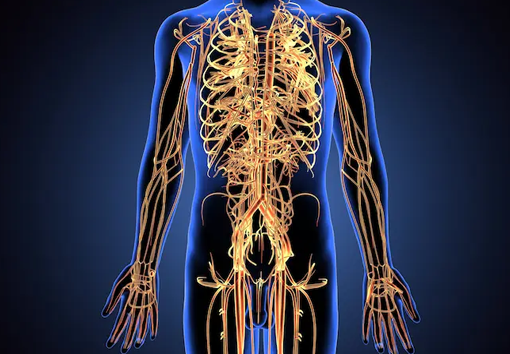
Extremity and nerve care focuses on the diagnosis, treatment, and rehabilitation of conditions affecting the arms, hands, legs, feet, and the complex network of nerves that control movement and sensation throughout the body. Healthy nerves and extremities are essential for performing everyday activities such as walking, lifting, writing, and maintaining balance. When nerves become damaged or compressed due to injury, disease, or repetitive strain, they can cause symptoms such as pain, numbness, tingling, muscle weakness, and reduced mobility. Early diagnosis and proper treatment play a vital role in preventing long-term complications and restoring normal function.
A comprehensive extremity and nerve care program begins with a detailed medical evaluation, including a physical examination, imaging studies, and specialized nerve function tests when necessary. These assessments help healthcare professionals identify the underlying cause of the problem and develop a personalized treatment plan tailored to each patient's condition and lifestyle. Common conditions treated under extremity and nerve care include peripheral neuropathy, carpal tunnel syndrome, cubital tunnel syndrome, sciatica, diabetic nerve damage, sports injuries, tendon disorders, fractures, and nerve compression syndromes.
Treatment options vary depending on the severity and cause of the condition. Conservative approaches often include medication, physical therapy, occupational therapy, lifestyle modifications, splinting, and pain management techniques. Advanced therapies such as nerve blocks, regenerative medicine, minimally invasive procedures, or surgical intervention may be recommended when conservative treatments do not provide adequate relief. Rehabilitation programs focus on improving strength, flexibility, coordination, and nerve function while reducing pain and preventing recurrence.
Preventive care is another important aspect of extremity and nerve health. Maintaining proper posture, engaging in regular exercise, controlling blood sugar levels, using ergonomic workstations, and avoiding repetitive strain can significantly reduce the risk of developing nerve-related conditions. Patients are also encouraged to seek medical attention promptly if they experience persistent numbness, weakness, burning sensations, or loss of coordination, as early treatment often leads to better outcomes.
Modern extremity and nerve care combines advanced diagnostic technology with evidence-based treatment methods to deliver comprehensive care for patients of all ages. A multidisciplinary team of specialists works together to provide accurate diagnosis, effective pain relief, functional recovery, and long-term support. Whether the condition results from trauma, chronic illness, aging, or occupational stress, personalized care aims to restore mobility, improve quality of life, and help patients return to their daily activities with greater comfort, confidence, and independence.