
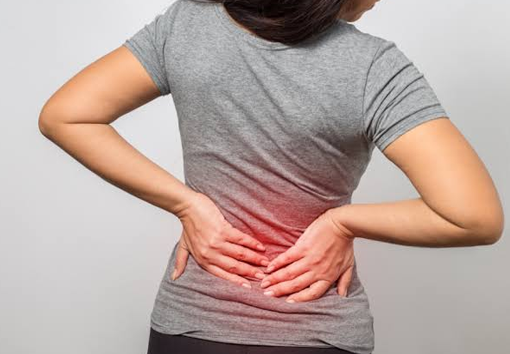
Back pain is one of the most common health concerns affecting people of all ages. It can range from mild discomfort to severe, persistent pain that interferes with daily activities and reduces overall quality of life. The condition may develop suddenly due to an injury or gradually as a result of poor posture, muscle strain, aging, or underlying medical conditions. Whether the pain is localized in the upper, middle, or lower back, timely attention and proper care are essential to prevent it from becoming a long-term problem.
Several factors contribute to back pain, including prolonged sitting, incorrect lifting techniques, lack of physical activity, obesity, stress, and repetitive movements. Individuals who work long hours at desks, drive frequently, or perform physically demanding jobs are particularly vulnerable. In some cases, back pain may also be associated with conditions such as herniated discs, arthritis, osteoporosis, or spinal abnormalities. Identifying the root cause is the first step toward effective treatment and lasting relief.
The symptoms of back pain vary depending on its cause and severity. Common signs include muscle stiffness, aching sensations, sharp or shooting pain, reduced flexibility, difficulty standing upright, and discomfort that radiates to the hips or legs. Some people experience pain that worsens after prolonged sitting or standing, while others notice increased discomfort during movement or physical activity. If back pain is accompanied by numbness, weakness, or loss of bladder or bowel control, immediate medical attention is necessary.
Managing back pain often involves a combination of lifestyle modifications, therapeutic exercises, proper posture, and professional treatment. Regular stretching, strengthening exercises, maintaining a healthy weight, and using ergonomic furniture can significantly reduce strain on the spine. Physical therapy, chiropractic care, massage therapy, and alternative treatments such as acupuncture may also provide relief for many individuals. In severe cases, medication or surgical intervention may be recommended by a healthcare professional.
Preventing back pain is equally important. Maintaining good posture, staying physically active, lifting heavy objects correctly, and taking regular breaks during prolonged sitting can help protect the spine and surrounding muscles. Developing healthy habits not only reduces the risk of back pain but also improves overall mobility and physical well-being.
With the right diagnosis, personalized treatment, and consistent self-care, most people can successfully manage back pain and return to their normal daily activities. Early intervention and a proactive approach play a vital role in achieving long-term spinal health, reducing discomfort, and enhancing overall quality of life.