
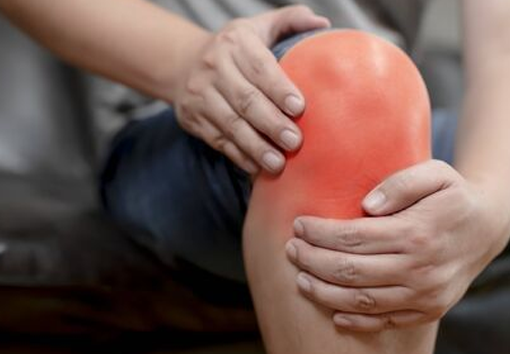
Knee Pain
Knee pain is one of the most common musculoskeletal problems affecting people of all ages. It can range from mild discomfort to severe pain that interferes with daily activities such as walking, climbing stairs, exercising, or even standing for long periods. The knee is a complex joint that supports the body's weight and allows smooth movement. Because it is involved in almost every physical activity, it is highly vulnerable to injuries, wear and tear, and various medical conditions.
There are many possible causes of knee pain. Sports injuries, falls, ligament tears, cartilage damage, tendon inflammation, arthritis, obesity, and repetitive stress are among the most common reasons. Older adults frequently experience knee pain due to osteoarthritis, a condition in which the protective cartilage gradually wears away. Younger individuals may develop knee pain from overuse, intense physical activities, or sudden injuries during sports or exercise. In some cases, infections, autoimmune diseases, or underlying medical conditions can also contribute to persistent knee discomfort.
The symptoms of knee pain vary depending on its cause. People may experience swelling, stiffness, redness, warmth around the joint, tenderness, weakness, instability, clicking sounds, or difficulty bending and straightening the knee. Some individuals may notice increased pain while walking, running, kneeling, or climbing stairs. Severe injuries may cause the knee to become unstable or make it difficult to bear weight on the affected leg.
Proper diagnosis is essential for effective treatment. Healthcare professionals typically evaluate the patient's medical history, perform a physical examination, and may recommend imaging tests such as X-rays, MRI scans, or ultrasound to identify the underlying problem. Blood tests may also be necessary if an inflammatory or infectious condition is suspected.
Treatment depends on the severity and cause of the pain. Mild cases often improve with rest, ice therapy, compression, elevation, and temporary activity modification. Physical therapy helps strengthen the muscles surrounding the knee, improving stability and reducing discomfort. Pain-relieving medications and anti-inflammatory drugs may be prescribed when appropriate. Supportive braces, orthotic footwear, or lifestyle changes such as maintaining a healthy weight can also reduce pressure on the knee joint. In severe cases involving ligament tears, advanced arthritis, or significant joint damage, surgical procedures such as arthroscopy or knee replacement may be recommended.
Preventing knee pain involves regular exercise, maintaining a healthy body weight, wearing appropriate footwear, warming up before physical activity, and avoiding excessive strain on the joints. Strengthening the muscles of the legs and improving flexibility can significantly reduce the risk of injury. Early medical attention for persistent or worsening knee pain can help prevent complications and improve long-term joint health, allowing individuals to maintain an active and comfortable lifestyle.